Trees anchor a home to its setting. They soften hard edges, buffer urban noise, and lift a street’s character in a way brick and block never can. In Croydon, with its mixture of Edwardian avenues, post-war semis, and new infill developments, the canopy is patchy but significant. Getting tree care right is not simply a case of cutting off a few branches. Good tree surgery balances safety, amenity, ecology, planning law, and long-term resilience. Poor tree work creates hazards, triggers neighbour disputes, and devalues property. This guide draws on years of hands-on experience with suburban trees, tricky access, insurance requirements, and the local planning framework to help homeowners choose the right approach and the right Croydon tree surgeon for the job.
The case for proactive tree management at home
Most domestic trees fail gradually. A subtle lean increases after a winter of saturated clay, small cavities widen under a concealed fungal bracket, a tight union splits when a sail-like crown catches a south-westerly gale. You rarely get the drama out of the blue, you get signs that a trained eye can read months or years in advance. Proactive inspections save money and preserve character. A measured reduction this year might prevent full Croydon tree removal in three years’ time. That is the judgment seasoned tree surgeons Croydon homeowners rely on.
The economics favour early action. Reactive works often require short-notice site protection, traffic management, larger crews, or weekend overtime after a storm. Preventive pruning can be scheduled when nesting birds are not an issue, when garden beds are dormant, and when access is easier. Insurance underwriters increasingly ask for evidence of reasonable maintenance where a large tree overhangs a public highway, an outbuilding, or a neighbour’s property. A short written report and a dated set of photographs from a qualified arborist can be worth far more than the fee if anything later goes wrong.
What counts as tree surgery, and what does not
Tree surgery Croydon residents commission ranges from the straightforward to the specialised. Proper tree surgery is purposeful and technical. It respects tree biology, targets precise growth points, and anticipates how the tree will respond across several seasons. Rough cutting, topping, or indiscriminate lopping, by contrast, creates weak regrowth, decay pathways, and heightened risk. The difference shows in a canopy five years on.
Common domestic operations include crown thinning to admit more light without drastically lowering the canopy, crown reduction to decrease height or spread while keeping a natural outline, deadwood removal for safety above paths, crown lifting to create headroom above pavements or lawns, and formative pruning on young trees to shape stable structure. Specialist work includes veteran tree management, bracing of split unions, monolith creation for habitat, and complex dismantles where there is no drop zone.
Croydon tree cutting is not simply about saws. It often integrates soil care, mulching under drip lines, aeration on compacted lawns, irrigation during dry spells, and biosecurity measures to prevent spreading pathogens between sites. Where ash dieback or oak processionary moth appears in the borough, procedures tighten, and disposal routes must comply with regulations.
Reading trees like a professional: the signs to watch
A homeowner’s weekly walk around the garden reveals a lot. Step back and look at the tree as a whole, then go closer. Notice the balance of the crown and any new leans. Watch for epicormic shoots erupting along the trunk, often a stress response. On broadleaf species, compare the leaf size and colour against previous seasons. On conifers, check for dieback that starts at the tips or progresses from the interior. Examine unions where two stems meet. A V-shaped, bark-included union is far weaker than a U-shaped, well-formed one.
Fungus tells a story. A bracket at the base of a beech or oak might indicate butt or root decay. On plane trees lining Croydon’s older roads, Massaria disease can cause sudden limb drop, particularly in summer. Sycamore sooty bark disease has cropped up with hot, dry springs. A fungal fruiting body does not automatically mean the tree must go, but it always warrants a closer investigation and often a resistograph test or a Picus sonic tomograph to map internal decay.
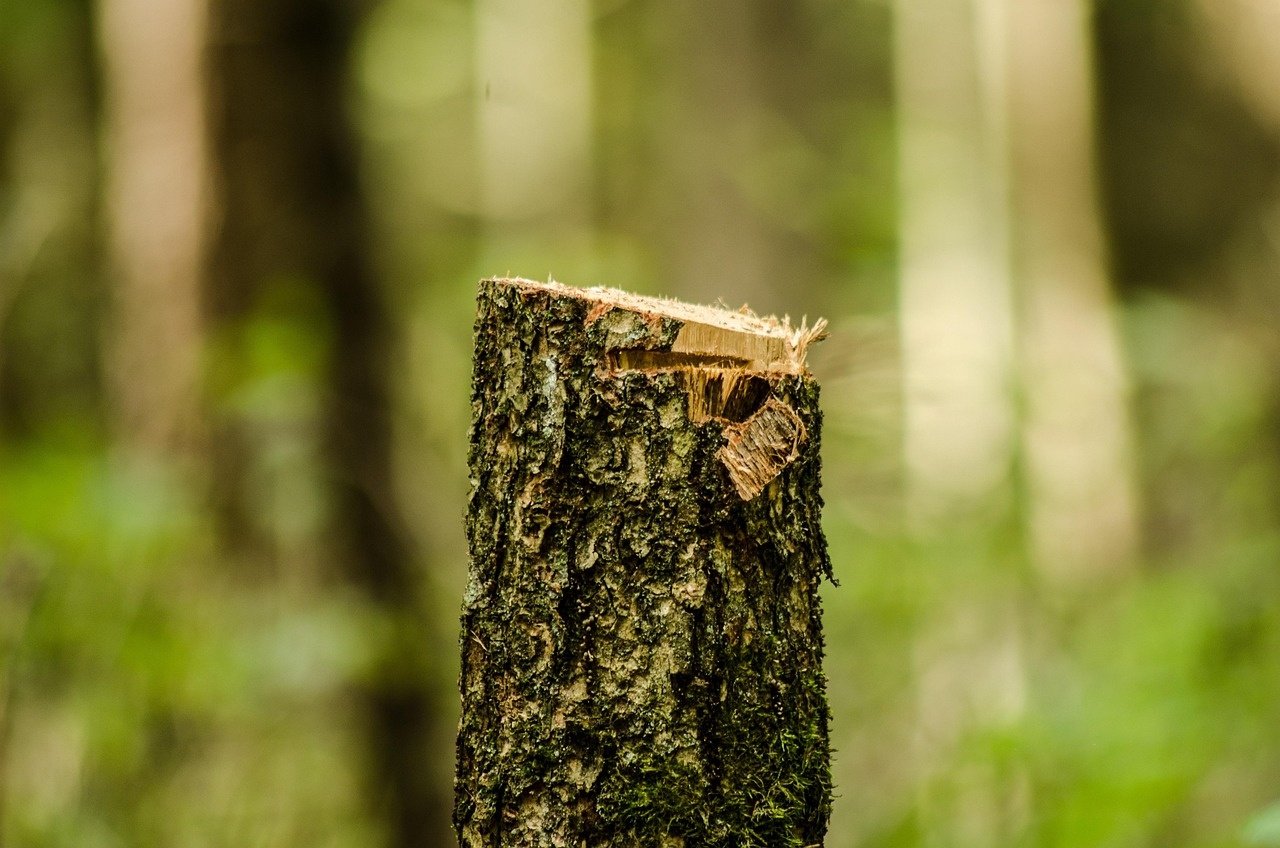
Finally, watch the context. Have you had an extension built or a driveway widened? Has the neighbour replaced a permeable surface with impermeable paving right up to a shared boundary? Root environments change, and trees adapt until they cannot. A tree surgeon in Croydon who asks about recent building or drainage work is not being nosy, they are trying to trace cause and effect.
Planning law in Croydon: permissions, deadlines, and pitfalls
Before you pick up the phone, check whether the tree is protected. Croydon has many Tree Preservation Orders (TPOs), and whole zones fall within designated conservation areas. The rules differ slightly:
- TPOs require formal permission for any pruning or removal, except where dead or dangerous wood must be addressed for safety. Evidence matters, and the council may ask for an arboricultural report. Conservation areas require you to notify the council, typically with six weeks’ notice, for works on trees above a certain stem diameter at 1.5 metres above ground level. If the council does not respond within the period, you may proceed, but keep documentary proof of the notification.
This is one of the two lists used in this article. It helps you keep the essentials straight without losing nuance.
Dead and dangerous exemptions are often misunderstood. Removing deadwood for safety usually requires no consent, but live wood beyond that line needs permission if protected. If a Croydon tree surgeon tells you they can do any works on a protected tree without paperwork, be cautious. Good firms handle the application as part of the service. Expect them to photograph the tree, map its location, mark proposed reductions in metres, and state reasons such as light improvement, building clearance, or risk management. Expect them to advise where nesting birds might delay works during spring and early summer. A measured approach keeps you on the right side of both planning and wildlife law.
Safety is not paperwork alone: method matters
When you watch an experienced crew at work, you see choreography. One climber, a grounded team leader, and a competent ground crew form the core. They plan the drop zones, lay out mats to protect lawns, rig lowering lines, and talk constantly. On tight Croydon plots, the rigging is often textbook: friction devices anchored to a base tree or a bollard, pulleys to control the path of a limb, a pre-tensioned line to swing branches away from greenhouses or conservatories. The equipment should be clean and marked, harnesses and ropes inspected, and chainsaws maintained.
Traffic management creeps into more domestic work than you might expect. Street trees overhanging front gardens may require Chapter 8 compliant barriers and signage. Even for purely private trees, chipper placement and van parking should be planned to avoid obstructing pavements or driveways. Reputable Croydon tree surgeons will brief neighbours in advance where access is shared or where parked cars could complicate the day. A polite note a week before and a reminder the evening prior smooths most situations.
Noise and dust are part of the trade, but they can be minimised. Sharper saws cut faster and cleaner. Chippers with sharp blades produce uniform chip and less airborne debris. A tidy crew rakes and blows down at intervals, not only at the end. The best feedback I hear from homeowners is simple: it looked like they were never there.
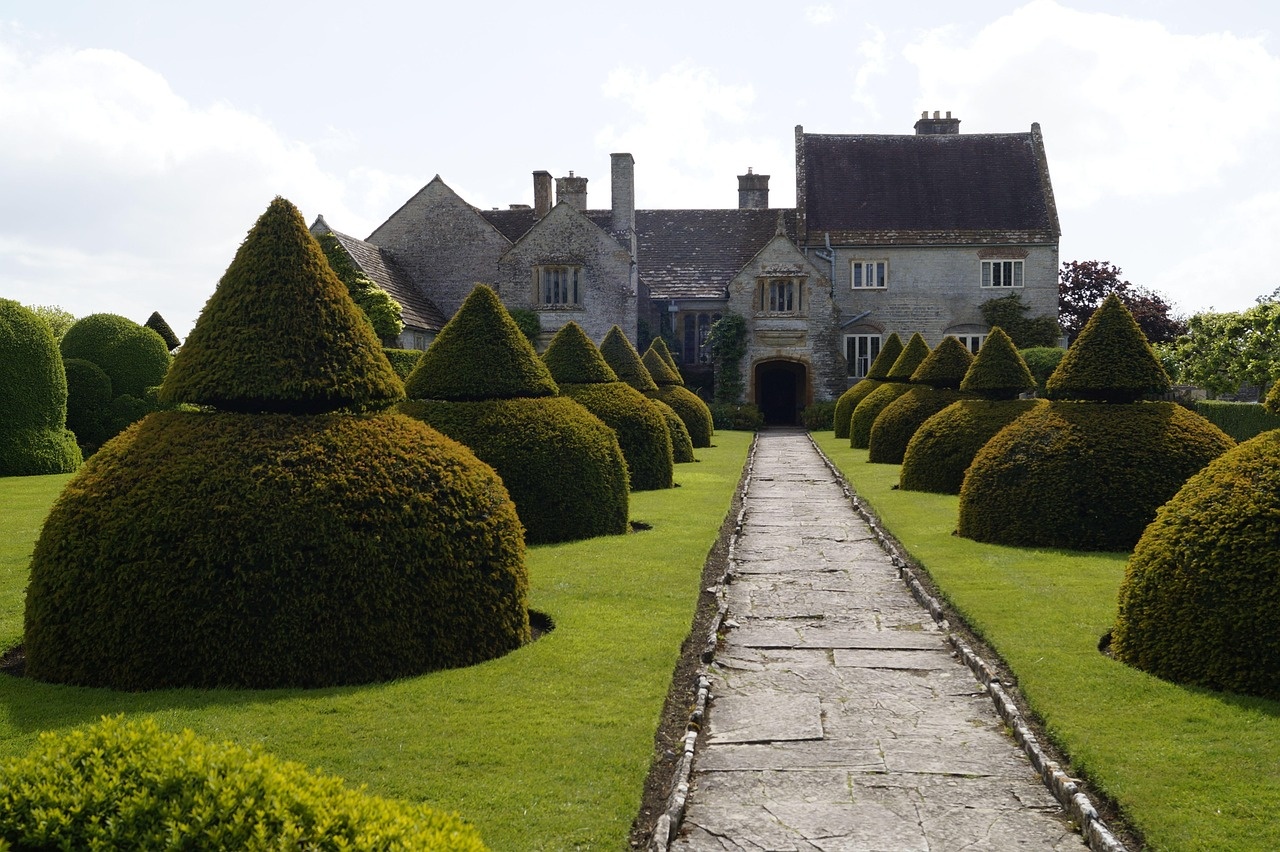
Choosing a tree surgeon Croydon residents can trust
Anyone can buy a saw. Not everyone knows how to cut with the tree’s future in mind. Look for evidence of training and insurance, then look for attitude. Qualifications like NPTC units for chainsaw use and aerial work, and ideally an arboricultural diploma or degree for the person specifying the work, point to competence. Professional membership of bodies such as the Arboricultural Association or the International Society of Arboriculture adds weight, especially if the firm is an Approved Contractor. Insurance should include public liability, often between 5 and 10 million pounds, and employers’ liability. Ask to see certificates.
Past work tells you more than sales talk. Ask for addresses with similar species or constraints to yours. For example, a mature cedar dismantle over a timber garage with no crane access, or a crown reduction on a protected lime in a conservation area. Telephone those clients or, better, walk past and look at the structure of the finished work a season or two later. The line should be natural, cuts tidy and in the right place, no large stubs, no lion-tailing, no starved patches.
Communication style matters. A good Croydon tree surgeon will ask many questions and will challenge you where necessary. If you request a 50 percent reduction, expect them to explain why that would likely create vigorous, weak regrowth, and to offer a smaller, staged reduction that achieves light while keeping limb attachment strong. If they recommend removal, expect clear reasons: species condition, structural defects, inappropriate proximity to foundations in shrinkable clay, or unresolvable conflicts with services. Vague answers like it is too big now rarely convince.
Costs, day rates, and where the money goes
Homeowners often ask why two quotes differ by hundreds of pounds for the same job. The answer sits in the detail. A one-day, two-person job may become a two-day, three-person job if the pruning specification is higher quality, if the firm supplies a dedicated climber and separate team leader, or if the site setup demands more protection.
Costs reflect:
- Crew size and skill mix. A competent climber working with an experienced groundie will be faster and safer than two generic labourers with a saw.
This is the second and final list used in the article. It keeps the variables simple and avoids repetition elsewhere.
Access matters hugely. In many Croydon gardens, chippers must be wheeled through side alleys, across tiled patios, or down steps. Protecting these areas takes time and materials. Timber removal is heavy work. A large willow or poplar can produce several tonnes of timber. If the quote includes removal from site, disposal fees are priced in. Some firms give a discount if you keep chip for mulch or logs for seasoning. Negotiate honestly. If you promise to keep the timber, ensure you really want it and have somewhere to stack and split it.
Where cranes or mobile elevated work platforms are involved, day rates step up sharply. Not every job justifies them. A conscientious contractor will explain the trade-offs: fewer rigging risks and faster removal with a cherry picker, but more pavement permits and a larger footprint, versus a technical climb that takes longer but fits the site.
When removal is right, and when it is not
Croydon tree removal should be a last resort, but sometimes it is the correct call. A heavily decayed stem beside a play area, a storm-damaged conifer leaning over the highway, or a poplar with repeated limb failures in high winds can justify decisive action. Where subsidence is alleged, remove the emotion. Insurers and loss adjusters typically require a clear chain of evidence: a structural engineer’s report, a pattern of cracking correlated with soil moisture deficits, and a link between a tree’s water demand and shrinkable clay. Even then, species choice and distance to foundations are weighed. Not every crack is a tree’s fault.
If removal proceeds, plan the aftercare. Roots will remain for years, gradually decaying. On clay, removing a high water-demand tree can lead to heave as the soil rehydrates. Where this is a risk, staged reductions or phased removal may be advised to moderate the change. Where a stump remains, options include grinding, eco plugs, or keeping a monolith at habitat height to support invertebrates and woodpeckers. Think also about replacement planting. A well-chosen small tree at a sensible distance can restore amenity and maintain the street’s character without repeating the problem.
Species notes for Croydon’s common garden trees
London and the surrounding boroughs share a palette of species that behave predictably in our soils and weather. Knowing these quirks helps set expectations.
Plane trees take reduction well if cuts are small and well placed. They tolerate pollution and pruning. Keep an eye out for Massaria and plane anthracnose. Lime trees sprout readily from pruning points and pollard heads, so timing and a firm cycle of works matter. Be prepared for sticky honeydew on cars and windows if aphids take up residence in summer. Cherry and other Prunus species resent heavy pruning outside late summer. They bleed sap in spring, which attracts silver leaf disease. Prune after flowering once the sap is rising strongly, or later in August, and keep cuts clean.
Conifers are a mixed bag. Leyland cypress can be kept as hedging if trimmed at least once a year, ideally twice, but cannot be cut back into brown wood without leaving bald patches. Scots pine and cedar look best with sympathetic reduction that respects their architecture, not blunt heading cuts. Yew is forgiving and responds beautifully to restoration even after years of neglect.
Fruit trees reward gentle, regular attention. tree surgery Croydon An old Croydon apple that has not seen a saw in a decade will not thank you for a hard haircut. Thin crossing branches, reduce congestion, and lift a little from garden paths. Expect two or three seasons to return the tree to balance.
Willows and poplars grow fast, drink heavily, and break in wind. They suit wetter corners and large plots, not tight terraces. If one exists on a small suburban site, expect to manage it frequently or to consider replacement when it begins to overtop the setting.
The light question: neighbours, boundaries, and the law
Disputes over overshadowing and debris can sour a road’s atmosphere. The law allows a neighbour to cut back overhanging branches to the boundary, but not to trespass or damage the tree. In practice, that creates odd shapes and weak points if done without skill. A better path is a conversation backed by a clear plan from a professional. On semi-detached plots in Croydon, a shared hedge of laurel or leylandii becomes a recurring sore point. A formal agreement on height and a calendar for trims reduces friction. For taller single trees, a carefully specified crown reduction that both parties buy into can restore light while preserving form.
High hedges legislation offers a route of last resort through the council when a hedge of evergreen or semi-evergreen plants adversely affects enjoyment of a home. It is slow and requires fees. Most situations resolve with two cups of tea and a written commitment to maintain a set height.
Wildlife, seasons, and timing work smartly
Birds choose garden trees for nesting, roosting, and feeding. The main bird nesting season runs from March through August. This does not completely prohibit work, but it does impose caution. If nests are present and active, you must avoid disturbance. A good tree surgeon Croydon residents work with will survey the canopy before cutting and adapt. Some tasks can be rescheduled, and some can proceed in a different sector of the tree. Bats are protected at all times. Any hint of roosts, droppings, or flight paths at dusk triggers a halt and specialist advice.
Seasonal timing influences results. Winter shows the structure clearly on deciduous trees, and ground conditions vary with rainfall. Heavy kit on sodden lawns does damage. Laying boards and choosing drier spells prevents ruts. Summer pruning on some species reduces the vigour of regrowth, which can be desirable on fast growers. Autumn brings leaf fall and easier chip management, but daylight hours shorten. In practical terms, book popular Croydon tree surgeons early for late winter slots, and be flexible around weather. Storms reshuffle diaries, and reputable firms will prioritise dangerous situations.
Soil, water, and the invisible half of tree care
Half the tree is below ground, and much of the trouble we see above begins at the roots. New developments often compress soil during construction, then cover the root zone with turf and patio. Roots need oxygen as well as water. A compacted lawn that holds puddles after rain and cracks in summer needs attention. Mulching with a 5 to 10 centimetre layer of ramial wood chip under the canopy, keeping clear of the immediate trunk flare, works wonders. It moderates temperature, retains moisture, and feeds soil biology.
Avoid piling soil or paving over root zones. A quick patio extension laid tight against the trunk can kill roots and invite rot. If you must pave, choose permeable materials. Aeration tools, from air spades that loosen soil without cutting roots to vertical mulching, can revive tired trees. Water during prolonged dry spells, especially in the first three summers after planting. A slow soak once a week beats a daily sprinkle. Newly planted trees fail more from neglect than from choice of species.
Planting the next generation: right tree, right place
After removal, or as part of forward planning, plant for the long term. Croydon’s soils vary from clayey patches to lighter loams. Street-level wind funnelling between houses and fences stresses young trees. Choosing resilient species, appropriate ultimate size, and a planting method that gives roots room to run is crucial.
For small gardens, consider Amelanchier for spring blossom and autumn colour, ornamental pears like Pyrus calleryana varieties for narrow crowns, or multi-stem birch that brings lightness. For medium spaces, hornbeam offers structure and clipped form if wanted, while crab apples feed birds and bees. Native species support more wildlife but can grow larger than expected. A tree surgeon in Croydon with a design eye can suggest cultivars that behave well near boundaries and foundations.
Plant at the right depth. The trunk flare should sit just above soil level. Remove circling roots from container-grown stock and spread the root system out. Stake low and loosely, only if needed to keep the root ball stable, and remove stakes within two seasons. Mulch, water, and keep strimmers and mowers away from the trunk. A shallow cut by a trimmer repeated over months can ringbark a young tree.
Storm preparation: what to do before and after high winds
Weather patterns have become spikier. Heavy rain saturates soils in winter, then sharp gusts test root plates. Two simple steps reduce risk. First, have mature trees inspected and pruned where necessary to reduce sail area while maintaining form. Second, manage structural defects before they evolve into failures. Weak, included unions can often be addressed with selective pruning or with modern bracing systems that respect movement while providing support.
After a storm, keep your distance. A hung-up limb is unpredictable, and tension in fibres can release violently. Call competent Croydon tree surgeons rather than attempting to cut something down from a ladder with a handsaw. Photograph damage for insurance. Do not be surprised if reputable firms triage calls, prioritising trees that threaten public highways, power lines, or buildings. Clear communication, a cup of tea, and patience go a long way during those weeks.
Sustainability, waste, and making the most of arisings
Tree work generates timber, chip, and fine rakings. Waste is a misnomer if you think like a gardener. Wood chip makes excellent mulch for beds and paths and can be composted into dark, friable material over time. Untreated, unpainted logs can become habitat piles at the back of a border. If you burn wood, season logs for at least a year, ideally two, to below 20 percent moisture. Burning wet wood wastes heat and pollutes air.
Where arisings exceed what you can use, reputable firms will process responsibly. Ask where your timber goes. Many Croydon tree removal jobs produce quality hardwood suitable for milling if stems are straight and free from metal. Urban trees often carry historic nails and wire, so milling is not always viable, but it is worth asking. Some firms partner with community projects to turn timber into benches or boards. It feels good to see a felled tree live on as something useful.
Case snapshots from Croydon back gardens
A semi in South Croydon, an oak overshadowing a small lawn. The client wanted it topped to half height. We refused, explained the consequences, and offered a 2 to 3 metre sensitive reduction with deadwood removal and a crown thin focused on interior crossing shoots. Six hours on site, rigging over a greenhouse, and a slated drop zone protected with mats. One year later, the lawn receives dappled light, the form remains natural, and the oak is set up for a light tidy in three years rather than a rescue job.
A Norbury terrace with a huge leylandii hedge on the boundary, 30 metres long, 6 metres high, 1.5 metres thick. Neighbours at odds. We proposed a staged reduction over two visits, bringing it to 3.5 metres and tightening the face. We scheduled outside nesting season, laid dust sheets across a narrow alley, and arranged for both parties to sign off the height at the end of the first day. No arguments, and the street looked tidier.
A protected lime in a conservation area in East Croydon, with traffic flowing past and shops opposite. The crown had massaria in previous seasons, and suckers erupted along the trunk. We filed a clear application, supplied photographs, and a specification in metres. Consent followed within the six-week period. On the day, we set Chapter 8 barriers, chose a Sunday morning for minimal footfall, and used a mobile platform for an awkward limb over a shop awning. The work drew thanks from pedestrians rather than complaints.
Frequently asked judgement calls
Homeowners often ask whether a tree is too close to the house. There is no universal answer. Species, soil type, foundation depth, and moisture cycles all matter. An apple 2 metres from the wall on a deep foundation is usually fine. A mature willow 8 metres away on shrinkable clay is not ideal. A Croydon tree surgeon with the right experience will ask the questions that lead to an informed view rather than a knee-jerk reaction.
Another recurring theme is skylight versus privacy. A heavy thin can let neighbours see straight into a bedroom. A better tactic is a light reduction that raises the lower crown slightly and refines the top, preserving screening where you need it and opening the direction that matters for sun. Nuance beats blunt cuts.
Finally, people ask how often to prune. Trees do not operate on calendar years so much as on growth responses. Fast growers may need attention every two to three years. Slower species stretch the interval to four or five. After a proper reduction, plan a light touch revisit earlier than you think to tweak and guide regrowth rather than repeat heavy work. It costs less and looks better.
Working with Croydon tree surgeons as a partner, not a contractor
The best outcomes come when you treat the arborist like your dentist or your mechanic: someone who knows your tree’s history and advises across seasons. Keep the quotes and invoices, and ask for a couple of photographs after each visit to log the state of play. If you are selling the house, that record reassures buyers. If you are staying, it gives continuity when a new crew member visits.
Be open about your aims. If you want more light on the patio from 4 to 6 in the afternoon, say so. If your priority is screening from an overlooking window, say that instead. The solution changes with the goal. A tree surgeon in Croydon who listens will translate aims into cuts and works specifications that make sense. The better the brief, the better the job.
A note on ethics: beyond compliance
Ticking the boxes on permissions and safety is the baseline. The wider ethic considers habitat, climate, and neighbourhood character. We are custodians as much as owners. Reducing a mature tree by a metre rather than two, leaving a dead limb where it poses no risk to support insects and birds, adjusting mowing to protect surface roots, these are small choices that add up. Where a tree must come down, plant two. Encourage neighbours to do the same. Celebrate street trees and water the young ones planted by the council outside your gate during their first summers.
Bringing it all together for your property
Tree surgery Croydon homeowners commission should be bespoke. The soil, the wind, the species, the planning status, the neighbours, and your aims all contribute. With a competent partner, you can navigate TPOs and conservation area notices, avoid heavy-handed lopping, and keep your garden safer and more beautiful. Whether you need precise crown work, a careful dismantle in a tight plot, or simple advice on the right replacement tree, invest in expertise. The savings show up not only in your wallet, but in the way your home feels on a still evening when light filters through a healthy canopy and the garden breathes.
If you are starting now, take three practical steps. Walk your garden and note any changes in lean, leaf size, or fungal growth. Check the council map for TPOs and conservation areas. Speak to two or three reputable Croydon tree surgeons, ask for clear specifications in metres, and choose the one who explains their reasoning in plain English. Good trees and good advice repay their keep many times over.
Tree Thyme - Tree Surgeons
Covering London | Surrey | Kent
020 8089 4080
[email protected]
www.treethyme.co.uk
Tree Thyme - Tree Surgeons provide expert arborist services throughout Croydon, South London, Surrey and Kent. Our experienced team specialise in tree cutting, pruning, felling, stump removal, and emergency tree work for both residential and commercial clients. With a focus on safety, precision, and environmental responsibility, Tree Thyme deliver professional tree care that keeps your property looking its best and your trees healthy all year round.
Service Areas: Croydon, Purley, Wallington, Sutton, Caterham, Coulsdon, Hooley, Banstead, Shirley, West Wickham, Selsdon, Sanderstead, Warlingham, Whyteleafe and across Surrey, London, and Kent.
Google Business Profile:
View on Google Search
About Tree Thyme on Google Maps
Knowledge Graph
Knowledge Graph Extended
Follow Tree Thyme:
Facebook |
Instagram |
YouTube

Visit @treethyme on Instagram
Professional Tree Surgeons covering South London, Surrey and Kent – Tree Thyme - Tree Surgeons provide reliable tree cutting, pruning, crown reduction, tree felling, stump grinding, and emergency storm damage services. Covering all surrounding areas of South London, we’re trusted arborists delivering safe, insured and affordable tree care for homeowners, landlords, and commercial properties.
❓
Q. How much does tree surgery cost in Croydon?
A. The cost of tree surgery in the UK can vary significantly based on the type of work required, the size of the tree, and its location. On average, you can expect to pay between £300 and £1,500 for services such as tree felling, pruning, or stump removal. For instance, the removal of a large oak tree may cost upwards of £1,000, while smaller jobs like trimming a conifer could be around £200. It's essential to choose a qualified arborist who adheres to local regulations and possesses the necessary experience, as this ensures both safety and compliance with the Wildlife and Countryside Act 1981. Always obtain quotes from multiple professionals and check their credentials to ensure you receive quality service.
❓
Q. How much do tree surgeons cost per day?
A. The cost of hiring a tree surgeon in Croydon, Surrey typically ranges from £200 to £500 per day, depending on the complexity of the work and the location. Factors such as the type of tree (e.g., oak, ash) and any specific regulations regarding tree preservation orders can also influence pricing. It's advisable to obtain quotes from several qualified professionals, ensuring they have the necessary certifications, such as NPTC (National Proficiency Tests Council) qualifications. Always check for reviews and ask for references to ensure you're hiring a trustworthy expert who can safely manage your trees.
❓
Q. Is it cheaper to cut or remove a tree?
A. In Croydon, the cost of cutting down a tree generally ranges from £300 to £1,500, depending on its size, species, and location. Removal, which includes stump grinding and disposal, can add an extra £100 to £600 to the total. For instance, felling a mature oak or sycamore may be more expensive due to its size and protected status under local regulations. It's essential to consult with a qualified arborist who understands the Tree Preservation Orders (TPOs) in your area, ensuring compliance with local laws while providing expert advice. Investing in professional tree services not only guarantees safety but also contributes to better long-term management of your garden's ecosystem.
❓
Q. Is it expensive to get trees removed?
A. The cost of tree removal in Croydon can vary significantly based on factors such as the tree species, size, and location. On average, you might expect to pay between £300 to £1,500, with larger species like oak or beech often costing more due to the complexity involved. It's essential to check local regulations, as certain trees may be protected under conservation laws, which could require you to obtain permission before removal. For best results, always hire a qualified arborist who can ensure the job is done safely and in compliance with local guidelines.
❓
Q. What qualifications should I look for in a tree surgeon in Croydon?
A. When looking for a tree surgeon in Croydon, ensure they hold relevant qualifications such as NPTC (National Proficiency Tests Council) certification in tree surgery and are a member of a recognised professional body like the Arboricultural Association. Experience with local species, such as oak and sycamore, is vital, as they require specific care and pruning methods. Additionally, check if they are familiar with local regulations concerning tree preservation orders (TPOs) in your area. Expect to pay between £400 to £1,000 for comprehensive tree surgery, depending on the job's complexity. Always ask for references and verify their insurance coverage to ensure trust and authoritativeness in their services.
❓
Q. When is the best time of year to hire a tree surgeon in Croydon?
A. The best time to hire a tree surgeon in Croydon is during late autumn to early spring, typically from November to March. This period is ideal as many trees are dormant, reducing the risk of stress and promoting healthier regrowth. For services such as pruning or felling, you can expect costs to range from £200 to £1,000, depending on the size and species of the tree, such as oak or sycamore, and the complexity of the job. Additionally, consider local regulations regarding tree preservation orders, which may affect your plans. Always choose a qualified and insured tree surgeon to ensure safe and effective work.
❓
Q. Are there any tree preservation orders in Croydon that I need to be aware of?
A. In Croydon, there are indeed Tree Preservation Orders (TPOs) that protect specific trees and woodlands, ensuring their conservation due to their importance to the local environment and community. To check if a tree on your property is covered by a TPO, you can contact Croydon Council or visit their website, where they provide a searchable map of designated trees. If you wish to carry out any work on a protected tree, you must apply for permission, which can take up to eight weeks. Failing to comply can result in fines of up to £20,000, so it’s crucial to be aware of these regulations for local species such as oak and silver birch. Always consult with a qualified arborist for guidance on tree management within these legal frameworks.
❓
Q. What safety measures do tree surgeons take while working?
A. Tree surgeons in Croydon, Surrey adhere to strict safety measures to protect themselves and the public while working. They typically wear personal protective equipment (PPE) including helmets, eye protection, gloves, and chainsaw trousers, which can cost around £50 to £150. Additionally, they follow proper risk assessment protocols and ensure that they have suitable equipment for local tree species, such as oak or sycamore, to minimise hazards. Compliance with the Health and Safety at Work Act 1974 and local council regulations is crucial, ensuring that all work is conducted safely and responsibly. Always choose a qualified tree surgeon who holds relevant certifications, such as NPTC, to guarantee their expertise and adherence to safety standards.
❓
Q. Can I prune my own trees, or should I always hire a professional?
A. Pruning your own trees can be a rewarding task if you have the right knowledge and tools, particularly for smaller species like apple or cherry trees. However, for larger or more complex trees, such as oaks or sycamores, it's wise to hire a professional arborist, which typically costs between £200 and £500 depending on the job size. In the UK, it's crucial to be aware of local regulations, especially if your trees are protected by a Tree Preservation Order (TPO), which requires permission before any work is undertaken. If you're unsure, consulting with a certified tree surgeon Croydon, such as Tree Thyme, can ensure both the health of your trees and compliance with local laws.
❓
Q. What types of trees are commonly removed by tree surgeons in Croydon?
A. In Croydon, tree surgeons commonly remove species such as sycamores, and conifers, particularly when they pose risks to property or public safety. The removal process typically involves assessing the tree's health and location, with costs ranging from £300 to £1,500 depending on size and complexity. It's essential to note that tree preservation orders may apply to certain trees, so consulting with a professional for guidance on local regulations is advisable. Engaging a qualified tree surgeon ensures safe removal and compliance with legal requirements, reinforcing trust in the services provided.
Local Area Information for Croydon, Surrey